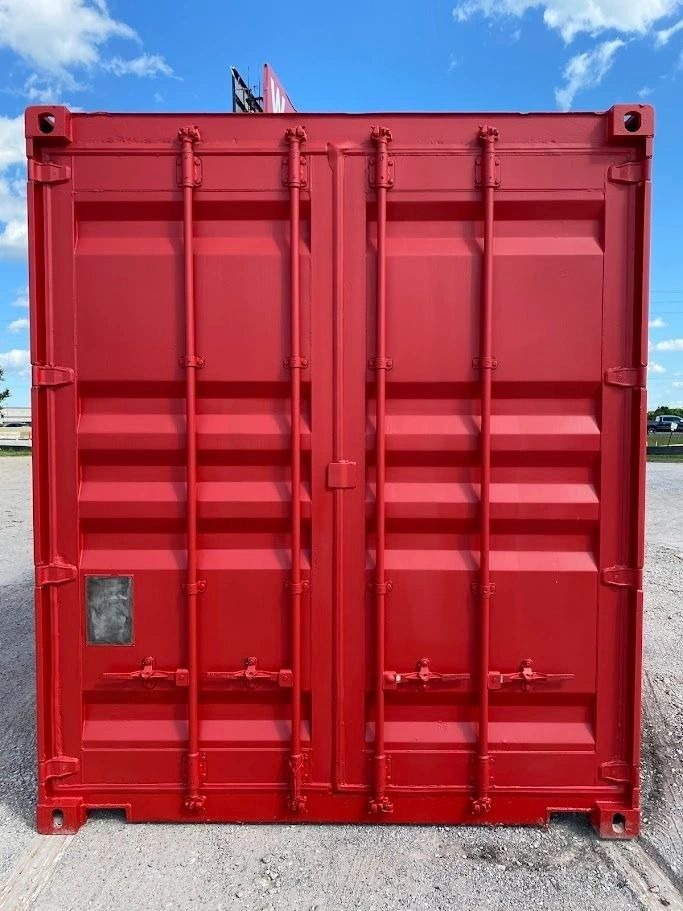
Shipping Containers: An Overview of Their Versatility and Uses
Shipping containers have transformed the method goods are carried around the world. Beyond their primary function of shipping cargo, they have found applications in numerous markets, showing to be not simply a way of transportation but also a flexible structure material. This blog post will explore the different uses of shipping containers, the advantages they provide, and address frequently asked questions about them.
A Brief History of Shipping Containers
The concept of standardized shipping containers was presented in the 1950s by Malcolm McLean, a trucker who understood the inadequacies of loading and discharging cargo by hand. He created the intermodal shipping container, permitting goods to be carried seamlessly between trucks, ships, and rail systems. This innovation not only accelerated shipping times however likewise significantly reduced costs related to cargo handling.
Kinds Of Shipping Containers
Shipping containers come in various types and sizes. The basic container size is 20 feet and 40 feet in length, but they can differ based on their function.
| Type | Dimensions (ft) | Typical Use |
|---|---|---|
| Standard Container | 20' x 8' x 8.5' | General cargo transportation |
| High Cube Container | 40' x 8' x 9.5' | Goods requiring extra vertical area |
| Refrigerated Container | 40' x 8' x 9.5' | Perishable items transportation |
| Open Top Container | 20' or 40' | Cargo that requires to be filled from above |
| Flat Rack Container | Various | Over-sized products that can not fit within basic containers |
| Tank Container | 20' | Liquids transport |
Table 1: Types and Uses of Shipping Containers
The Versatility of Shipping Containers
Shipping containers can be repurposed for a myriad of applications beyond their initial use. Here are some common ingenious uses:
1. Residential Housing
- Shipping containers can be transformed into budget-friendly, sustainable housing.
- Their modular nature enables flexible designs and designs.
2. Offices and Workspaces
- Lots of business choose shipping containers as short-term or permanent office spaces.
- Containers are quickly transportable and can be personalized with windows, insulation, and electrical energy.
3. Retail Spaces
- Ingenious companies have made use of shipping containers as pop-up shops, cafes, and shops, developing fashionable and special shopping experiences.
4. Storage Solutions
- Their resilience makes shipping containers outstanding storage systems. They can be used for both individual and commercial storage needs.
5. Farming and Agriculture
- Shipping containers are significantly being used for vertical farming, hydroponics, and even beekeeping, supplying a controlled environment for agriculture.
6. Neighborhood Projects
- Containers can be repurposed as community centers, shelters, and educational spaces, making them valuable possessions for non-profit organizations.
7. Disaster Relief
- Shipping containers can be quickly released as temporary shelters and storage after natural catastrophes, providing immediate assistance to impacted neighborhoods.
8. Art Installations
- Artists have actually utilized the structure of shipping containers to develop engaging art installations and galleries, frequently concentrating on styles of movement and globalization.
Table 2: Innovative Uses of Shipping Containers
| Use | Description |
|---|---|
| Residential Housing | Inexpensive, modular homes |
| Workplaces | Customizable offices |
| Retail Spaces | Innovative pop-up shops and coffee shops |
| Storage Solutions | Long lasting and safe storage systems |
| Farming and Agriculture | Managed environments for crops |
| Neighborhood Projects | Centers for education and outreach |
| Catastrophe Relief | Short-lived shelters for affected communities |
| Art Installations | Engaging public art experiences |
Benefits of Shipping Containers
Shipping containers use a number of advantages that make them a preferred option for numerous industries.
- Cost-Effective: Compared to standard building materials, shipping containers can conserve considerable money, particularly for construction tasks.
- Toughness: Made from weather-resistant steel, containers are constructed to hold up against extreme conditions, making them a dependable alternative for long-lasting use.
- Portability: Their design allows for simple transport via trucks, ships, and trains, adding to their practical appeal.
- Eco-Friendly: Repurposing containers for new uses adds to sustainability by reducing waste and the requirement for brand-new products.
- Modification: Shipping containers can be easily customized to fit various needs, whether for domestic, industrial, or artistic applications.
Regularly Asked Questions (FAQ)
1. How much do shipping containers cost?
The rate of shipping containers differs based upon condition, size, and location. Usually, a used 20-foot container can range from ₤ 1,500 to ₤ 3,000, while new containers can cost considerably more.
2. Do shipping containers require permits for conversion?
Yes, a lot of local governments need permits for transforming shipping containers into habitable or business areas. It's necessary to examine regional guidelines before beginning any job.
3. Are shipping containers insulated?
The majority of shipping containers are not insulated, however they can be retrofitted with insulation materials if they are to be used for living or workplace to guarantee climate control.
4. The length of time do shipping containers last?
With correct upkeep, shipping containers can last for 25 years or more, depending upon their usage and environmental conditions.
5. Can you stack shipping containers?
Yes, shipping containers are developed to be stackable. When used for construction or storage, they can be stacked to optimize space.
Shipping containers are not just a method of transport; they are a foundation of modern logistical and architectural innovations. From 45 Ft Container For Sale to special retail experiences, their versatility is unequaled. Comprehending the capacity of shipping containers can inspire creativity and sustainability, making them a significant factor to consider for future jobs. Whether for individual usage, business applications, or neighborhood efforts, the opportunities provided by shipping containers are as vast as the oceans they traverse.